






PHOTO: The federal government has moved to ease the cost of living on households Picture: Sam Ruttyn
Homebuyers are in the crosshairs of a pre-election incentives-a-thon from the federal government via the budget. This is what it means for you.
Skyrocketing home prices and housing affordability will be a core issue come the Federal Election last this year, as such it was also a key focus of Tuesday’s Federal Budget.
This is what it means for you.
FEDERAL BUDGET 2022: HOMEBUYING INCENTIVES EXPLAINER
Price caps could hurt first-home buyers
House prices surged 23 per cent over 2021, the third fastest year of growth in Australia in 140 years. That growth has made it harder for first home buyers to save a deposit.
That matters, because with interest rates at record lows, it’s saving the deposit, not servicing a mortgage, that is the constraint on homeownership for most first-time buyers.
The budget includes two measures to try and help tackle this growing deposit burden: an expanded Home Guarantee Scheme, and higher limits for the First Home Super Saver Scheme.
The Home Guarantee Scheme will help reduce the deposit burden
The Budget offers various incentives for home buyers. Picture: Jake Nowakowski
The Home Guarantee Scheme will be expanded to support up to 35,000 first home buyers annually. That’s up from the previous version of the scheme which provided 10,000 places to first home buyers to buy established homes and another 10,000 for new homes.
The scheme allows a first-home buyer to buy with just a 5 per cent deposit, with the government guaranteeing the remaining 15 per cent.
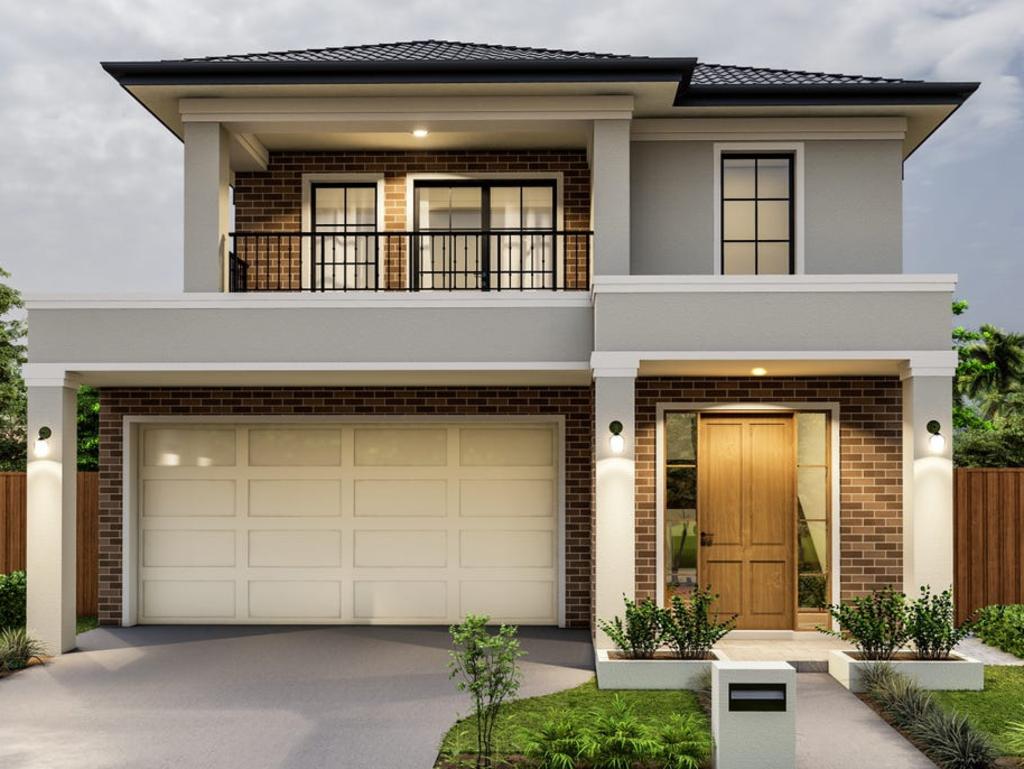
By reducing how much deposit they must save, the scheme will help some first home buyers buy sooner than they otherwise could have.
But not all first home buyers are eligible.
Buyers will have to earn less than $125,000 as an individual, or $200,000 as a combined household. That won’t be a constraint for most households: ABS data suggest something like 80-90 per cent of households earn less than $200,000, though that data haven’t been updated since 2017/18.
There are also limits on how expensive a property can be. These limits vary by state, and by whether the property is in a regional or city area. We haven’t been told if the thresholds will be updated this year; they were last updated for 1 July 2021.
These prices caps will probably be more of a constraint for some first-home buyers.
For instance, last year’s cap for Sydney was $800,000. That’s much less than the median sale price of more than $1 million over the 12 months to February 2022.
Prices have risen 10 per cent since last year’s cap was set. Hopefully the National Housing Finance and Investment Corporation will review the caps again this year to ensure they are consistent with the goals of the policy.
By reducing how much deposit they must save, the Home Guarantee Scheme will help some first home buyers buy sooner than they otherwise could have.
An additional 10,000 places are also available under the Regional Home Guarantee for regional buyers to buy new homes, and another 5,000 places for single parents.
Expanding the Home Guarantee Scheme probably won’t have big effects on the broader housing market, though it could modestly push up prices in some parts of the market.
First home buyers account for only around one-sixth of new housing credit, based on January ABS data. And most first-home buyers won’t take up the scheme given the limit of 35,000 places, compared to the around 150,000 first home buyers that took out mortgages in 2021.
Given these restrictions, we aren’t talking about a huge cohort of newly empowered buyers.
Furthermore, because the scheme has price caps, effects on the more expensive parts of the market will be more limited.
Super Saver Scheme expanded
The budget also committed to expand the First Home Super Saver Scheme.
This scheme allows you to save part of the deposit for your house by making voluntary contributions to your super.
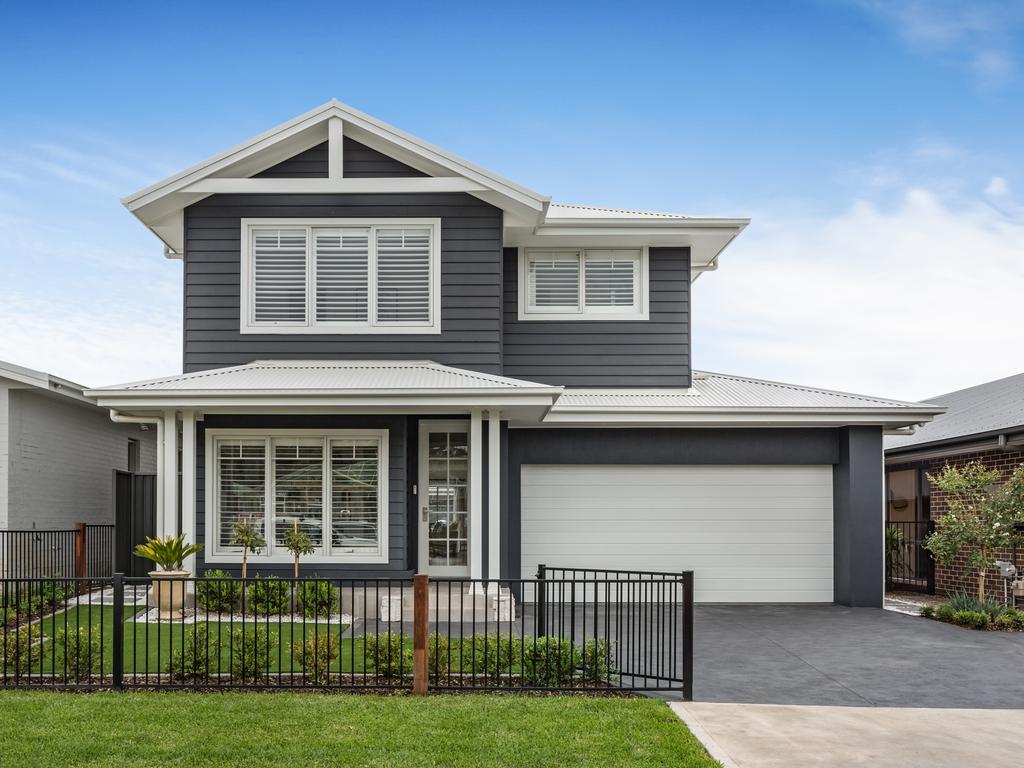
Because voluntary contributions to superannuation are concessionally taxed, this can reduce how much tax you pay, and so reduce how long it takes to save a deposit.
Using your super wisely could get you into your new home sooner. Picture: Thrive Homes
Currently, you can save a deposit of up to $30,000 using this program. That limit will increase to $50,000 from 1 July this year, as announced in last year’s budget.
This change probably won’t make a big difference for many people. Take up of the scheme has been fairly modest to date, with around 27,600 home buyers taking up the scheme.
Nothing directly targeted at homeowners or renters
This budget hasn’t got many changes that directly affect existing homeowners.
We also didn’t see any measures to help renters, who are facing tight rental markets, low vacancy rates and rising advertised rents.
But cost of living was a focus.
The budget is forecasting inflation will reach 4.25 per cent this financial year, while wages will grow by less than 3 per cent
On top of that, interest rates are likely to rise later this year, which means mortgage repayments for many households will start to go up.
Measures of how easy it is for household to service their mortgage remain pretty good at the moment because of how low interest rates are. And that’s despite the surge in house prices over the past two years that has raised loan sizes for new borrowers.
READ MORE VIA NEWS.COM.AU

MOST POPULAR
 Melissa Caddick’s parents and husband face being HOMELESS | AUSTRALIA
- Simon Bridges’ Tauranga family home passed in at auction | WATCH
- Abandoned land for sale
- NZ winery billionaire whose private jet brought the body of Shane Warne back from Thailand
- ‘Unacceptable’: top real estate agents axed
- Fletcher Living, to develop Ellerslie Racecourse
- Kiwis leaving New Zealand in droves – 20,000 to leave this year
- Auckland development put up for mortgagee sale
- HOUSING CRISIS: 80 percent of property investors are planning rent rises
- House price boom: Homes owned by Auckland politicians


