





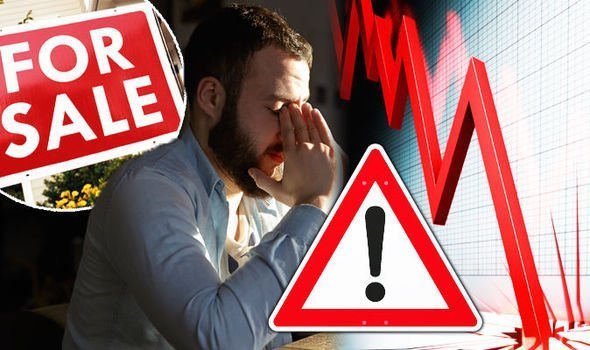
PHOTO: Australian property crash?
A major bank has predicted house prices in Australia are going to face a huge drop, with prices to fall far sooner than previously thought.
Multiple interest rate hikes will have a dramatic impact on the Australian property market with prices predicted to drop by a whopping 16 per cent in the next two years, a major bank has warned.

HSBC chief economist for Australia and NZ, Paul Bloxham, forecast that rates will rise to 1.35 per cent by end 2022 and to 1.85 per cent by the second quarter of 2023, which is set to drive housing price falls by as early as mid this year.
“The pace of housing price growth has slowed recently though, such that housing prices are up by only 1 per cent since the beginning of 2022, after a gain of 21 per cent,” he said.
“The Sydney and Melbourne housing markets have stalled since the beginning of the year.”
The huge influence of interest rate rises means HSBC has revised its 2023 housing price forecast from 1 to 4 per cent growth to an incredible 5 to 10 per cent fall.
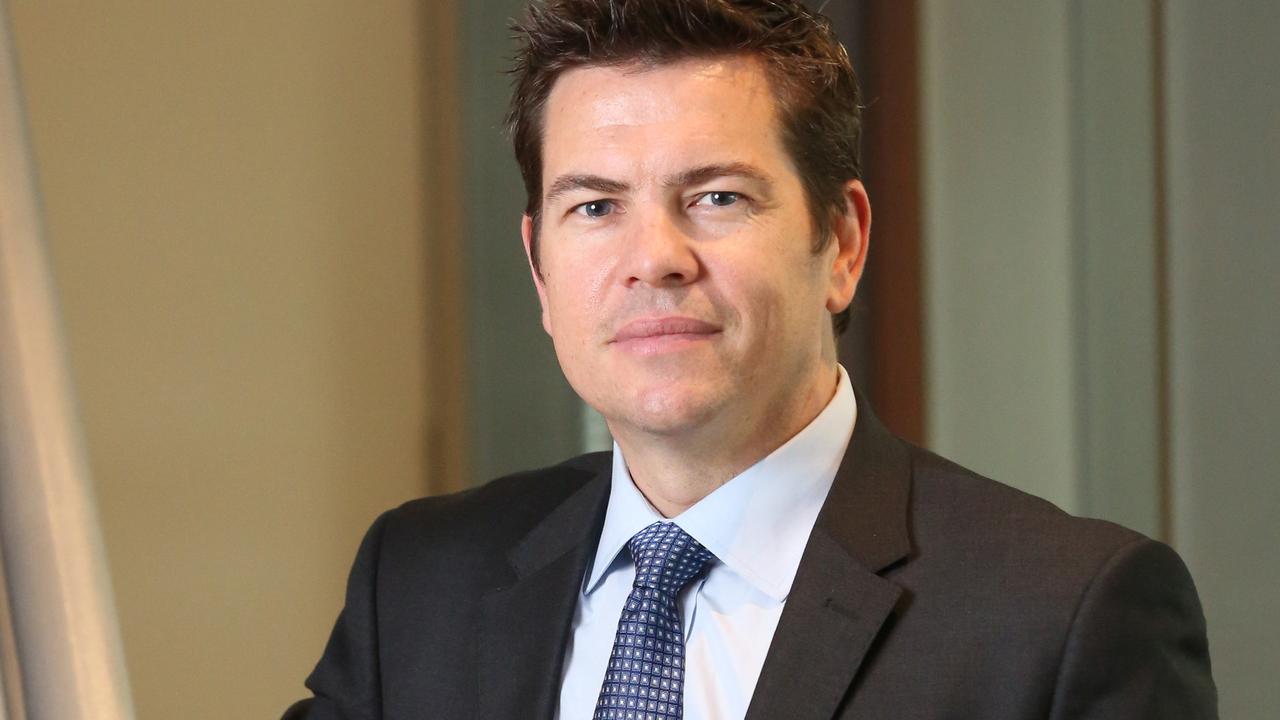
HSBC chief economist Paul Bloxham at their Sydney HQ.
The Reserve Bank of Australia (RBA) earlier this month set the official interest rate at 0.35 per cent.
The 0.25 per cent increase was the first interest rate rise in 11 years, with the RBA also predicting a drop of 15 per cent for house prices.
Other economists have also forecast similar drops in house prices, with Shane Oliver, chief economist at AMP Capital, saying that Sydney and Melbourne could experience the biggest shock with a drop of 15 per cent by the end of 2023 or early 2024.
But Mr Bloxham said he expected demand for housing in the regional and smaller cities to remain above pre-pandemic levels, as Covid-19 made working from home part of the “new normal”.
“This should support housing prices in these areas more than in the largest cities,” he said.
“We also expect the rental market to continue to tighten, lifting rents, as international migrants and students support demand, and housing investors seek rental return as capital gains diminish.”
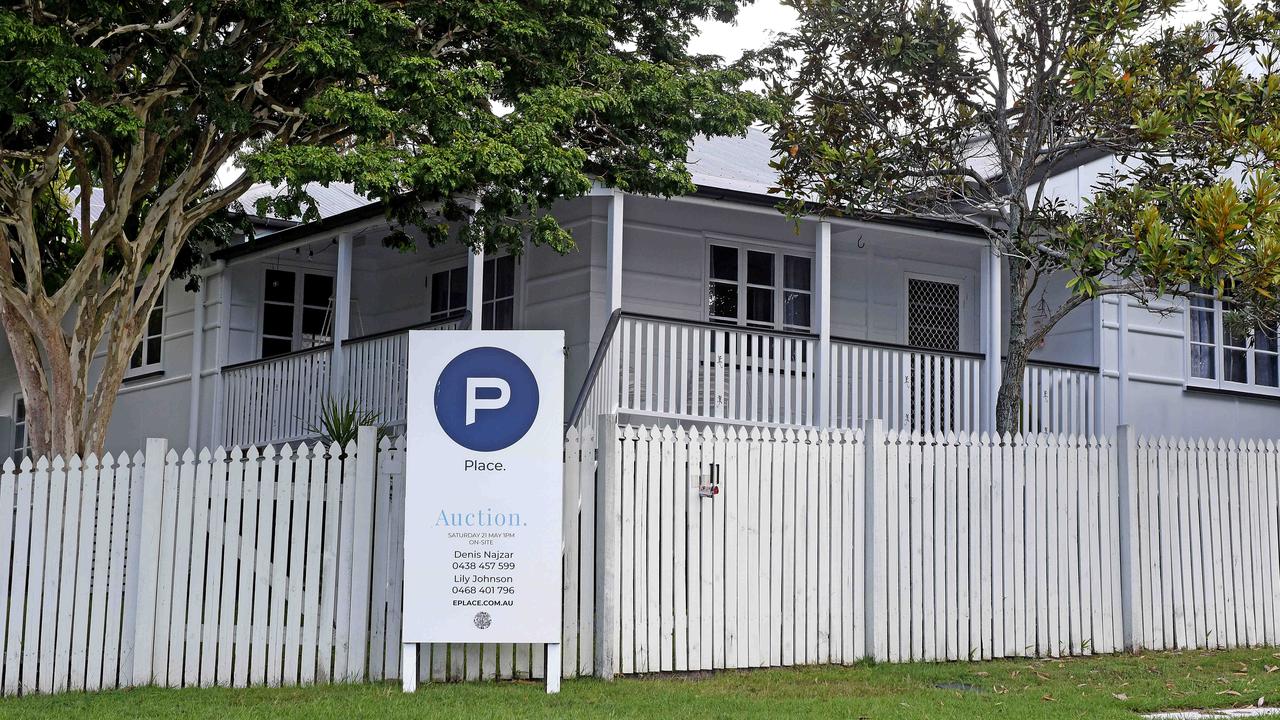
Markets like Brisbane and Adelaide are still performing well. Picture: John Gass/NCA NewsWire
Interest rate rises are weighing heavily on buyers, according to the latest PropTrack Housing Market Indicators Report released on Tuesday.
It found Sydney, Melbourne, and Hobart in particular are seeing property activity slow more quickly than regional areas.
Australia-wide, sales volumes in April were 15 per cent lower year-on-year, showed the report.
Sales dropped by a massive 24.5 per cent in NSW, 22 per cent in Tasmania and 18.5 per cent in Victoria.
Western Australia and the ACT bucked this trend with sales volumes higher year-on-year by 5.6 per cent and 9.1 per cent respectively.
The report found that much of the activity this year had likely been fuelled by an urgency to buy before the election is held and rates rise, as sellers also scramble to list their properties, before an even greater slow down hits the market.
Sales have taken a massive hit in some states. Picture: John Gass/NCA NewsWire
Eleanor Creagh, PropTrack senior economist, said it was still too early to see the impact of the RBA’s first rate rise and it would also depend on whether the hikes would be “aggressive” in future.
“Wage rises are said to be coming down the pipeline and we have a scenario where higher borrowing costs are buffered by stronger wages growth and so we are likely to avoid higher price falls that some people are expecting,” she told news.com.au.
READ MORE VIA NEWS.COM.AU

MOST POPULAR IN AUSTRALIA
 REVEALED: How many properties each New Zealand MP owns | FULL LIST
- Wellington real estate agency sale in court
- How much do U.S. realtors actually make?
- Abandoned land for sale
- Real estate agents sued for alleged ‘sex-capade’ in clients’ home
- HOUSING CRISIS: ‘Worst yet to come’: Economist warns homeowners
- Real Estate GURU warns real estate agents will lose their jobs | WATCH
- Head of real estate agency spoofed in online billboards says they are ‘hilarious’
- Real estate agent star from: ‘Not being able to afford bread’ to making thousands in commission | WATCH
- #1 Real estate agent in the WORLD wins his third Guinness World Record


