



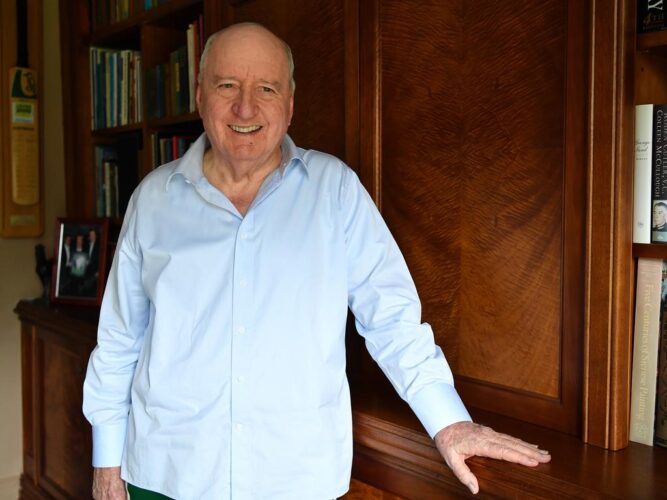



PHOTO: Ray White Chief Economist Nerida Conisbee
In 2023, despite the rapid increase in interest rates and robust population growth, a scarcity of homes entering the market, coupled with general housing shortages, led to significant spikes in both prices and rents throughout Australia. As we approach 2024, what lies ahead for residential property in the country?
Why ‘Manly is a thousand times better than Bondi’: Holly Brisley
- Continued Price Growth: Contrary to predictions of a substantial decline in house prices in 2023, the market moved in the opposite direction. Perth, driven by a combination of population growth and a housing shortage countering rising interest rates, has been a leader. With interest rates nearing their peak, the expectation is for price growth to persist. Limited housing supply is pushing potential new buyers into the established market, and escalating rents are drawing more first-time homebuyers into the market, posing challenges to affordability for both buyers and renters in 2024.
- Peak Interest Rates and Mortgage Survival: While inflation remains persistent, there might be another rate increase in 2024. However, it appears that interest rates are either at their peak or very close. This is positive news for mortgage holders enduring the sharpest rate increase on record. However, the downside is that a rate cut is unlikely until late 2024 or early 2025, requiring mortgage holders to weather higher loan costs until then.
- Housing Supply as a Policy Focus: Recognizing Australia as one of the least affordable countries for homebuyers, there is a growing policy focus on addressing the inadequate housing supply. This issue is expected to remain a top priority for an extended period, reflecting the recognition of the need for sustained efforts to alleviate housing affordability concerns.
- Beach House Opportunities: Despite overall price growth, some Australian regions experienced a decline, particularly in beachside holiday destinations. A surge in properties for sale, driven by pandemic-driven holiday home resales, has resulted in more affordable prices. However, this situation may be short-lived, given housing shortages in these desirable locations.
- Rise in Luxury Apartment Demand: A shift in the types of apartments built in Australia, with a focus on larger, higher-quality, and more expensive developments, has led to substantial price increases in luxury apartments. The combination of fewer apartment constructions, population growth, and a preference for inner urban living is expected to fuel a boom in demand for luxury apartments.
- Green Homes on the Rise: Beyond environmental awareness, the rising cost of energy is driving an increased interest in green homes equipped with solar and batteries. Besides being cost-effective, these homes are seen as safer, especially in the context of rising summer temperatures. The trend towards greener homes is expected to continue.
- Rent Stabilization but Challenges for Renters: While Australia is relatively affordable for renters globally, rents have risen rapidly due to factors such as a preference for solo living, limited housing development, and population growth. Although there’s a stabilization in rents with increasing household sizes, the shortage of new homes and low investor activity may pose continued challenges for renters.
- Rise in Solo Living: Long-term social and demographic shifts, along with the influence of the pandemic, are contributing to an increase in solo living. This trend may shape housing preferences, with a potential demand for smaller dwellings catering to individuals.
- Insufficient Investors: The shortage of rental properties is attributed to the decline in government-owned rental homes and a lack of active investors, primarily driven by high interest rates and obstacles in property ownership. While there may be a marginal improvement in investor activity in 2024, a shortage is expected to persist.
- Institutional Investment in Living Sectors: With challenges in commercial property ownership, institutional investors are turning to residential markets, including build-to-rent, retirement living, aged care, and land lease sectors. The ‘living’ sectors are becoming attractive investments due to housing shortages and population growth, potentially leading to institutional landlords in residential spaces.
In summary, the Australian residential property market is navigating a complex landscape influenced by various factors, including interest rates, housing supply, demographic shifts, and evolving preferences. The trends observed in 2023 are likely to shape the trajectory of the market in the coming year.