





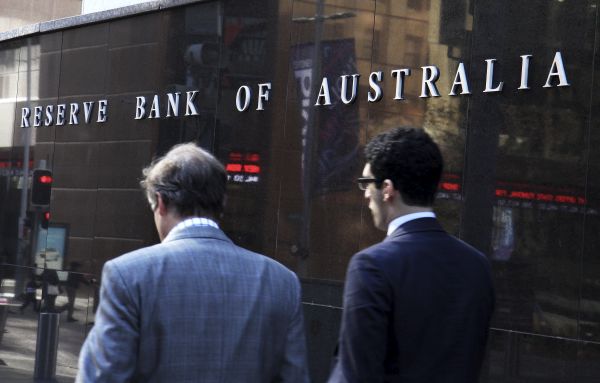
PHOTO: Reserve Bank of Australia (RBA). FILE
On Tuesday, the Reserve Bank of Australia (RBA) raised interest rates to their highest level in 12 years, marking the end of four months of stable monetary policy. However, the central bank remained uncertain about whether further tightening would be necessary to control inflation.
Following their November policy meeting, the RBA increased the cash rate by 25 basis points to 4.35%. The decision was based on recent data suggesting that there was a risk of sustained high inflation. RBA Governor Michele Bullock stated, “Whether additional tightening of monetary policy is necessary to bring inflation back within the target range within a reasonable timeframe will depend on the evolving data and risk assessment.”
This move marked a departure from the October decision, which had indicated that some additional tightening “might be required.” This change was interpreted by the markets as a signal that this could potentially be the final rate hike in the current cycle.
As a result of this decision, the Australian dollar depreciated by 0.8% to $0.6435, and bond futures saw increased demand as investors lowered their expectations of another rate hike in December.
Rob Thompson, a rates strategist at RBC Capital Markets, described this rate hike as “dovish” and suggested that it did not imply an immediate need for further tightening. He added, “The central bank seems to be cautious and reluctant to take additional measures. The bar for further rate hikes is set high.”
The decision to raise rates had been expected by the markets, given that policymakers had previously expressed their limited tolerance for higher-than-expected inflation in the third quarter.
This rate adjustment was the first under Governor Michele Bullock, who took office in September. It was seen as a move to strengthen her credentials in addressing inflation.
Economic growth had already slowed to a two-year low of 2.1%, and the RBA anticipated that it could drop to around 1% in 2024 as the full impact of higher rates began to take effect.
Since May of the previous year, interest rates had increased by a total of 425 basis points, resulting in significantly higher mortgage payments for many households and marking the most aggressive tightening cycle in the RBA’s history.
The decision to raise rates became more likely as consumer price inflation exceeded expectations, reaching 5.4% in the third quarter, well above the RBA’s target range of 2-3%.
Governor Bullock also noted that the central bank’s own forecasts for Consumer Price Index (CPI) had been revised upward to 3.5% by the end of 2024, up from the previous estimate of 3.3%. Inflation was projected to only reach the upper end of the target range by the end of 2025.
The RBA’s decision to raise rates puts it in a unique position, as it is one of the few developed world central banks still pursuing a tightening monetary policy, while markets believe that the United States, Canada, and Europe have already reached their peak interest rates.
The RBA’s Board had been willing to accept a slower decline in inflation to maintain full employment, a goal that Australia had not achieved since the 1950s. Their patience wore thin as inflation proved more persistent than expected in the service sector, while house prices reached record highs and unemployment remained historically low at 3.6%.